
How Can a Roofing Company in Mississauga Help Prevent Roof Damage?
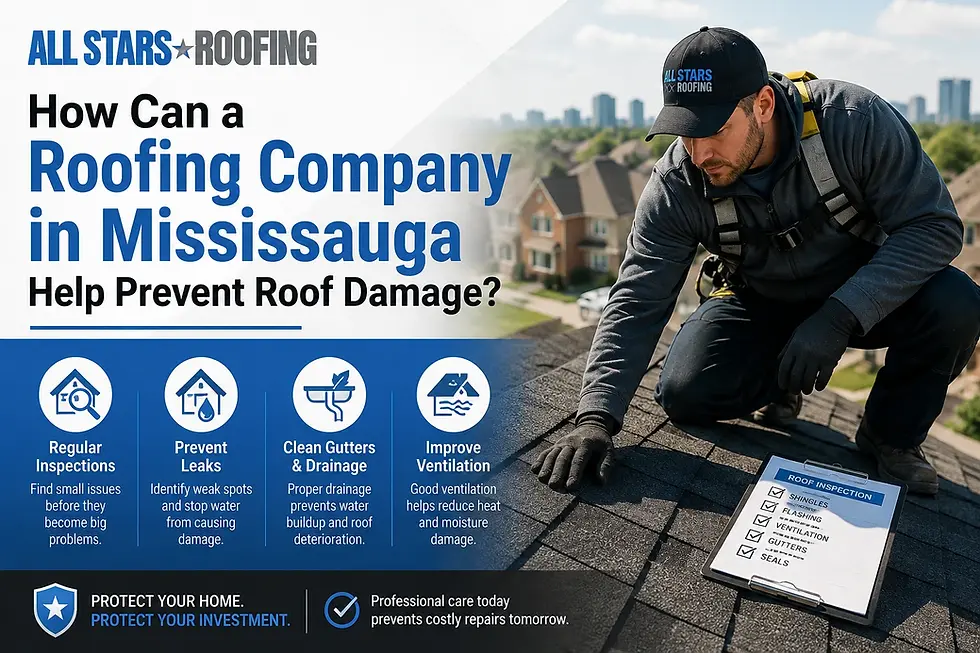
Your roof is one of the most important parts of your home, protecting your family, insulation, walls, and belongings from rain, snow, wind, and changing temperatures. In Mississauga, seasonal weather can put considerable stress on roofing systems. Small problems such as cracked shingles, blocked eavestroughs, damaged flashing, or poor ventilation can eventually become expensive repairs if ignored.
A professional roofing company in Mississauga can help homeowners identify vulnerabilities early, maintain the roof properly, and recommend preventative solutions before minor issues develop into major damage.
Why Roof Damage Happens in Mississauga
Mississauga roofs experience a variety of weather conditions throughout the year. Winter freeze-thaw cycles, heavy rain, strong winds, summer heat, and moisture can all affect roofing materials.
Winter Freeze-Thaw Cycles
Water can enter small cracks or gaps in roofing materials. When temperatures drop, the water freezes and expands, potentially making existing damage worse. Repeated freezing and thawing can gradually affect shingles, flashing, sealants, and other roof components.
Heavy Rain and Moisture
Persistent moisture can expose weaknesses in a roofing system. Damaged shingles, deteriorated flashing, or improperly sealed penetrations may allow water to reach the underlayment or decking.
Wind and Storm Damage
Strong winds can loosen, lift, or damage shingles. After a significant storm, a roofing inspection can help identify problems that may not be obvious from the ground.
Heat and UV Exposure
During warmer months, prolonged sunlight and heat can contribute to the aging of roofing materials. Proper ventilation and regular maintenance can help protect the roof system and extend its useful service life.
How a Roofing Company in Mississauga Helps Prevent Roof Damage
Preventative roofing is about finding problems before they become emergencies. A qualified roofing contractor can evaluate the complete roofing system rather than simply addressing visible symptoms.
1. Conducting Regular Roof Inspections
Regular inspections are one of the most effective ways to detect early signs of deterioration.
A professional inspection may look for:
Missing, cracked, or damaged shingles
Loose or deteriorated flashing
Damaged vents and pipe collars
Signs of water infiltration
Sagging areas
Moss or excessive organic growth
Damaged roof edges
Problems around skylights and chimneys
Deteriorated sealants
Identifying these issues early allows homeowners to address them before they affect larger sections of the roof.
2. Identifying Small Leaks Before They Spread
A small roof leak does not always create an obvious ceiling stain immediately. Water can travel through roofing layers, insulation, and framing before becoming visible inside the home.
A roofing company in Mississauga can investigate potential sources of moisture and determine whether localized repairs, flashing work, ventilation improvements, or other measures are appropriate.
Prompt attention is particularly important when you notice:
Water stains on ceilings or walls
Damp insulation
Peeling paint
Musty odors
Dripping during rainfall
Visible moisture around roof penetrations
3. Maintaining Shingles and Roofing Materials
Roofing materials gradually wear due to weather exposure. Damaged or missing shingles can create pathways for water.
During maintenance, a roofing professional can assess the condition of shingles and identify areas that need attention. Replacing a small number of damaged components may help prevent water from reaching the underlying roof structure.
4. Checking Flashing and Roof Penetrations
Flashing helps direct water away from vulnerable areas such as chimneys, vents, skylights, and roof-to-wall transitions.
Why Flashing Matters
Even when the main roof surface looks good, deteriorated flashing can create a significant moisture-entry point. A professional roofer can inspect these areas and repair or replace compromised flashing when necessary.
Properly maintained flashing helps reduce the likelihood of water entering around roof penetrations.
5. Keeping Eavestroughs and Downspouts Clear
Your roofing system and drainage system work together. When eavestroughs or downspouts become blocked, water may accumulate along roof edges or overflow against exterior walls.
A roofing professional can identify drainage problems and recommend appropriate maintenance.
Signs of Drainage Problems
Watch for:
Overflowing eavestroughs
Water pooling near the foundation
Sagging gutters
Ice buildup during winter
Water stains beneath roof edges
Downspouts that discharge too close to the home
Keeping water moving away from the roof and foundation can reduce moisture-related problems.
6. Evaluating Roof Ventilation
Proper attic ventilation is another important part of roof maintenance. Poor airflow can contribute to excessive heat and moisture accumulation in the attic.
How Ventilation Helps
Balanced ventilation can help:
Reduce excessive attic heat
Control moisture buildup
Support healthier insulation performance
Reduce condensation-related concerns
Help roofing materials perform as intended
A roofing contractor can assess whether the existing ventilation system is functioning properly and identify potential improvements.
7. Checking Roof Edges and Other Vulnerable Areas
Roof edges can be particularly exposed to wind and weather. Professional inspections should not focus only on the center of the roof.
A roofing company may examine:
Drip edges
Fascia areas
Roof-to-wall transitions
Valleys
Eaves
Ridges
Penetrations
Chimney areas
Early detection in these vulnerable areas can prevent localized problems from becoming widespread roof damage.
When Should You Schedule a Roof Inspection?
Homeowners should not wait until they see a leak to have their roof assessed.
Consider scheduling an inspection when:
Your roof has experienced a severe storm
You notice missing or damaged shingles
Your roof is aging
You see water stains indoors
You notice excessive granules in eavestroughs
Your attic has signs of moisture
You are preparing for winter
You are buying or selling a home
Regular professional assessments can provide a clearer picture of your roof's current condition and maintenance needs.
Preventative Roofing vs. Emergency Roof Repairs
Preventative maintenance focuses on identifying and correcting smaller issues before they become urgent.
For example, replacing damaged flashing today may help prevent water from entering the roof assembly later. Similarly, clearing drainage pathways can reduce the risk of water overflow and moisture damage.
Emergency repairs can be more disruptive because they often occur after the roofing system has already been affected by water, wind, or another issue.
This is why working with a roofing company in Mississauga for periodic inspections and maintenance can be a practical part of responsible home maintenance.
What Homeowners Can Do Between Professional Inspections
Professional roofing services are important, but homeowners can also watch for early warning signs.
Perform Visual Checks From the Ground
After storms, look for missing shingles, loose materials, or visible debris. Avoid walking on the roof unless you are properly equipped and trained.
Check the Attic
If your home has accessible attic space, look for signs of moisture, unusual odors, damp insulation, or daylight entering where it should not.
Keep Drainage Areas Clear
Make sure leaves and debris are not obstructing accessible drainage components. If maintenance requires climbing onto the roof, consider hiring a professional instead.
Address Problems Promptly
A small roofing issue can become more serious when exposed to repeated rain, snow, wind, and temperature changes. Early assessment is usually preferable to waiting for visible interior damage.
Frequently Asked Questions
1. How often should I have my roof inspected in Mississauga?
A professional roof inspection can be useful periodically, particularly for aging roofs and after significant storms. The appropriate frequency depends on the roof's age, material, condition, and exposure to weather.
2. Can regular roof maintenance prevent leaks?
Regular maintenance cannot guarantee that a roof will never leak, but it can help identify and address conditions that commonly contribute to leaks. Damaged shingles, deteriorated flashing, blocked drainage, and ventilation concerns can often be identified during inspections.
3. What are the earliest signs of roof damage?
Early signs may include cracked or missing shingles, damaged flashing, excessive granules in gutters, visible sagging, moisture in the attic, ceiling stains, and deteriorating roof edges. Some problems may require a professional inspection to identify.
Conclusion
Preventing roof damage is much easier when potential problems are identified before they develop into major issues. Regular inspections, timely repairs, proper drainage, adequate ventilation, and attention to vulnerable roof components can all contribute to a healthier roofing system.
If you're looking for a roofing company in Mississauga to assess your roof, identify potential problems, or discuss preventative maintenance, All Stars Roofing Inc can help you take the next step.
Protect your home before a small roofing problem becomes a major one. Contact All Stars Roofing Inc today for professional roofing assistance.


Comments