
Signs Your Roof Needs Repair — When to Call a Roofing Contractor

Your roof is one of the most important structural elements of your home — it protects your family, belongings, and property from harsh weather, moisture, and temperature changes. But even the strongest roofs don’t last forever. Over time, shingles wear down, flashing loosens, and weather damage accumulates.
For homeowners across Burlington, Hamilton, Oakville, Milton, Mississauga, Waterdown, Ancaster, and Stoney Creek, catching early warning signs can mean the difference between a simple repair and a costly full roof replacement.
This guide breaks down the key signs your roof needs repair, when to call a professional, and how All Stars Roofing Inc can help protect your home.
What Types of Roofs Most Commonly Need Attention
Ontario homes typically use asphalt shingles, one of the most durable and cost-effective roofing materials. However, seasonal freeze-thaw cycles, heavy rain, strong winds, and summer heat accelerate wear and tear. Metal roofs and flat roofs also require attention, especially at seams, flashing, and drainage points.
Regardless of roof type — early detection is essential.
7 Key Warning Signs Your Roof May Need Repair
1. Curled, Cracked, Warped, or Missing Shingles
Shingles should lie flat and tight against the roof deck. If yours are curled at the edges, cracked, warped, blistered, or missing entirely, moisture can seep beneath the surface. This is one of the clearest signs that your roof needs professional repair.
Common causes include:
Aging shingles
Storm or wind damage
Poor attic ventilation
Prolonged sun exposure
Left unaddressed, these issues can quickly lead to leaks.
2. Excessive Granules in Gutters or Bald Spots on Shingles
Asphalt shingles contain protective granules that shield them from UV rays and harsh weather. When you start noticing sand-like granules collecting in your gutters or around downspouts, it means your shingles are breaking down.
Bald or patchy shingles are more vulnerable to cracking, warping, and water damage.
3. Water Stains, Leaks, or Moisture Inside the Home
If your ceilings or walls show:
Yellow or brown stains
Peeling paint
Damp spots
Moldy smells
…these usually indicate a roof leak. Even a small drip can lead to insulation damage, mold growth, and structural decay. The sooner a professional examines the issue, the better.
4. Sagging Roofline or Uneven Roof Deck
A sagging roofline is a red flag. It may indicate:
Rotting roof decking
Long-term water damage
Structural weakening
Compromised support beams
Because sagging can worsen quickly, this is considered an urgent situation. Always call a roofing contractor immediately if you notice any part of your roof sinking or bowing.
5. Damaged Flashings, Roof Valleys, or Vents
Flashing is used around chimneys, skylights, vents, and roof valleys to keep water out. If flashing is:
Cracked
Rusted
Loose
Missing
…your roof becomes vulnerable at its most critical points. Roof valleys handle a large volume of rainfall, making them especially important to maintain.
6. Moss, Algae, or Debris Buildup
While moss or algae may look harmless, they trap moisture against shingles, causing them to deteriorate faster. Debris from trees — like leaves, pine needles, and branches — can also collect in gutters and valleys, restricting water flow and contributing to rot or leaks.
Regular cleaning helps prevent these issues, but if moss or debris has been sitting for a long time, a professional inspection is recommended.
7. Your Roof Is Aging or Needs Frequent Repairs
Most asphalt roofs last 20–25 years, depending on:
Installation quality
Ventilation
Weather exposure
Maintenance
If your roof is nearing the end of its lifespan, or you’re constantly patching leaks and replacing shingles, repairs may no longer be cost-effective. An expert roofer can tell you whether repair or replacement is the smarter option.
Why You Shouldn’t Ignore These Warning Signs
Even small roofing problems can escalate quickly. One cracked shingle can turn into a leak, and one leak can turn into:
Mold growth
Damaged insulation
Rotten wood
Interior drywall damage
Structural instability
Ontario’s weather can intensify these problems — freeze-thaw cycles drive water deeper into cracks, causing rapid deterioration.
Addressing issues early keeps repair costs low and protects your home from major damage.
What to Do Next: Schedule a Professional Roof Inspection
While DIY checks are helpful, a licensed roofing contractor can detect deeper issues you might miss, including:
Hidden leaks
Flashing damage
Attic moisture
Ventilation problems
Structural concerns
Underlayment deterioration
A professional inspection gives you clarity, safety, and accurate recommendations for next steps.
How All Stars Roofing Inc Helps Protect Your Home
All Stars Roofing Inc proudly serves:
Burlington, Hamilton, Oakville, Milton, Mississauga, Waterdown, Ancaster, Stoney Creek, and surrounding areas.
Their services include:
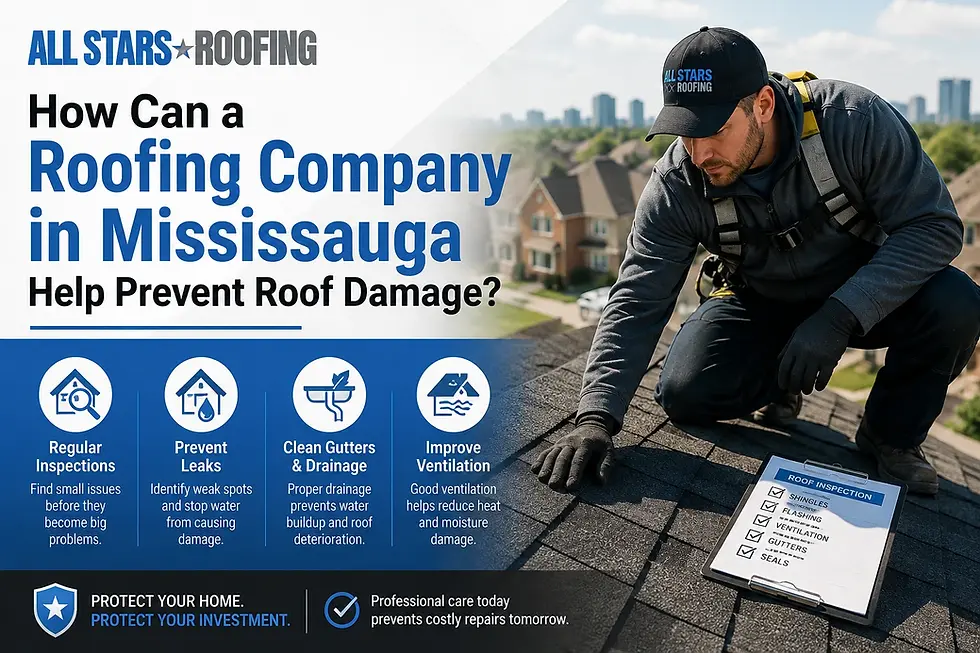
Comprehensive roof inspections
Shingle repairs & replacements
Leak detection & repair
Flashing and vent repair
Moss & debris removal
Full roof replacement when necessary
Emergency roofing support
With deep knowledge of Ontario weather, building codes, and roofing best practices, the team ensures every repair is durable, safe, and professionally executed.
Business Details All Stars Roofing Inc 5125 Harvester Rd Unit 11, Burlington, ON L7L 6A2 (905) 637-7663 https://www.allstarsroofing.com
Maintenance Tips Between Inspections
Clean gutters twice yearly
Trim overhanging branches
Inspect roof after storms
Keep attic ventilated and dry
Look for early signs like stains or debris
These small steps support long-term roof health.
FAQ Section
Q: How often should I get my roof inspected? At least once a year — ideally twice — and after major storms.
Q: Can I repair small roof issues myself? Minor fixes may be possible, but most roofing problems require a professional to ensure safety and durability.
Q: How do I know if I need repair or a full replacement? A roofing expert evaluates the extent of damage, roof age, and overall condition. If issues are widespread or the roof is aging, replacement may be the better long-term choice.
Q: Does moss always mean my roof is damaged? Not always — but moss indicates excessive moisture and can cause damage if left untreated.
Q: What’s the most common roofing issue in Ontario? Weather-related shingle wear and leaks caused by freeze-thaw cycles are extremely common in the region.


Comments